Coir
Fibre manufacturers are increasingly refining the applications of plant waste to spin unique and innovative yarns that reduce waste that goes to landfill.
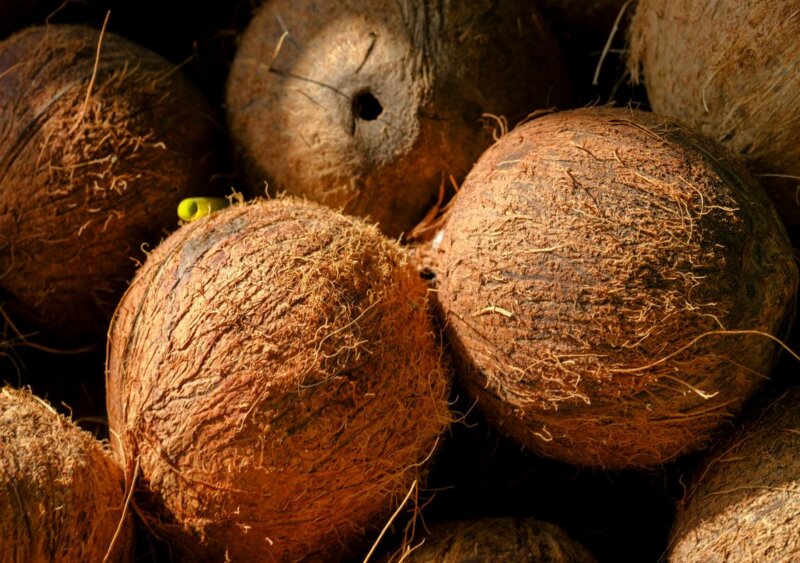
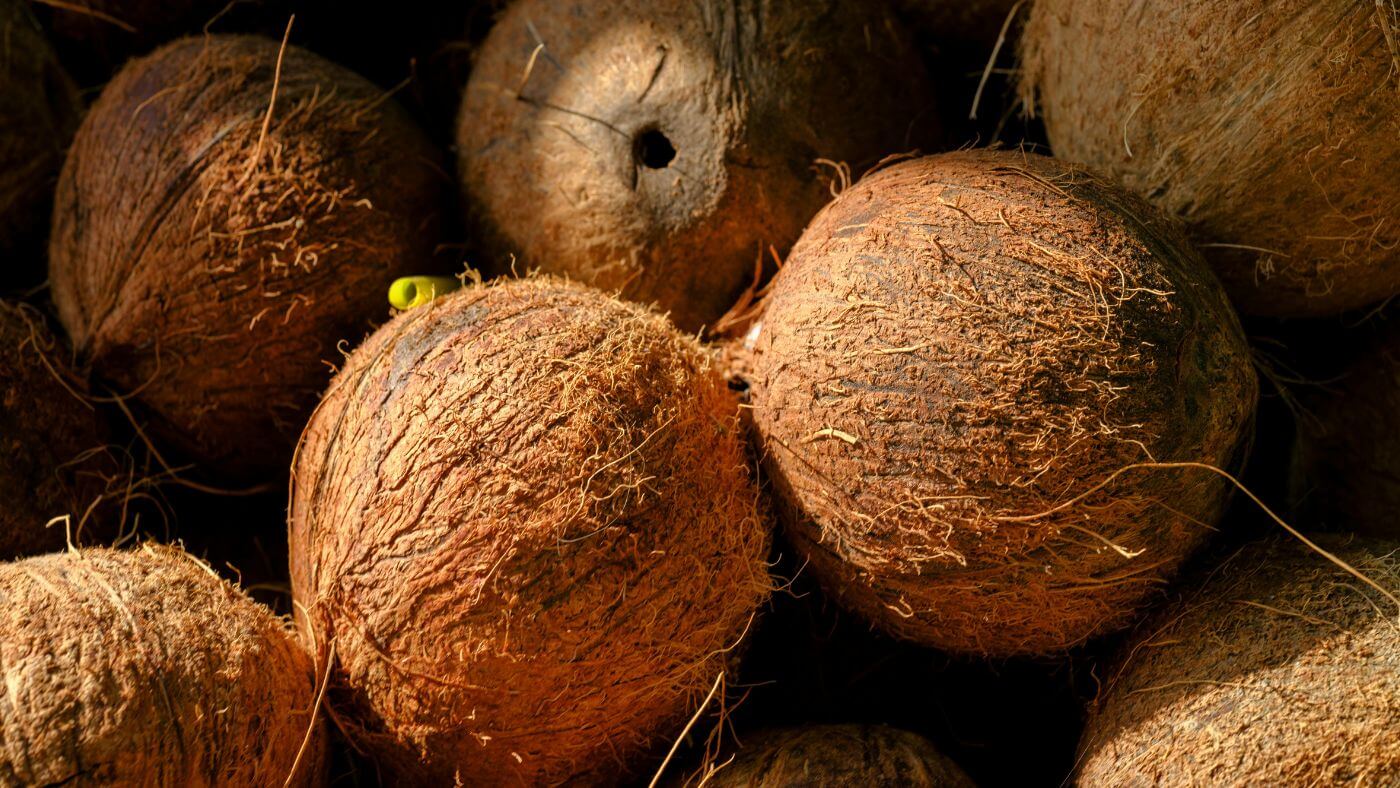
Coir, made from coconut husks, is a plant wool fibre that keeps evolving. Traditionally used in brushes and doormats, coir has been refined to create firm and resilient mattresses, instead of the common but cruel combination of horsehair and sheep’s wool.
Strong and resistant to moisture damage, coir is also used in tufted and woven carpets. It’s more durable than animal wool flooring, especially for high-traffic areas. Coir is eco-friendly, biodegradable, and made from a product that would otherwise go to waste.
Nullarbor
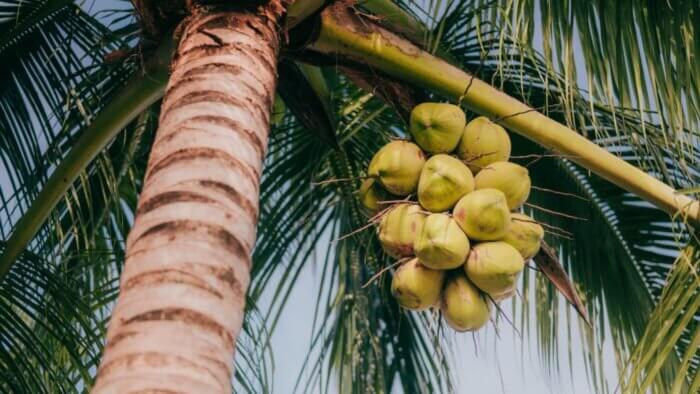
Proving that plants can do anything, Australian Biomaterial technology company Nanollose and Indian innovators Brilla Cellulose created Nullarbor™ from liquid food waste.
Nullarbor™ is produced in just 18 days, radically reducing production impact and requiring minimal land, water, and energy. Coconut waste otherwise destined for landfill is treated with microbial bacteria, not chemicals, which naturally ferments the waste, creating cellulose from which a yarn is made.
Celebrated in the sustainable materials field and winner of the 2023 Cellulose Fibre Innovation of the Year, Nullabor is billed as a sustainable, tree-free rayon that eliminates deforestation.
Australian womenswear fashion designer Lee Mathews was the first to pioneer a garment from Nullarbor™. A gorgeous, draping creation showcasing a combination of tight and loose stitching, the designer’s creation is a testament to how silky yet strong this plant wool is.
Read more: Discover Crop Plant Wools