Referred to as the ‘golden fibre’, jute has been traded since the 1700s and woven into clothing for even longer in India, which remains the world’s largest producer.
Jute comes from two plants: Corchorus olitorius (Tossa) and Corchorus capsularis (White). Both are renewable and require little fertiliser and pesticides. Every hectare of jute crops absorbs approximately 15 tonnes of carbon dioxide and releases 11 tonnes of oxygen. Plants grow year-round, provided they have a warm and humid climate, plenty of rainfall, and loamy soil. Plants take just 6 months to become harvest-ready and nourish the soil as they drop leaves.
Jute is divided into two types: white jute and brown jute. Both materials are breathable, strong, and versatile. Jute is also incredibly cost-effective, costing less than £1 per yard, and processing is low-impact. It relies on ‘retting’ – steeping harvested plants in slow-running water for 10 to 30 days and letting bacteria naturally separate the non-fibrous matter, which is later refined to yarn.
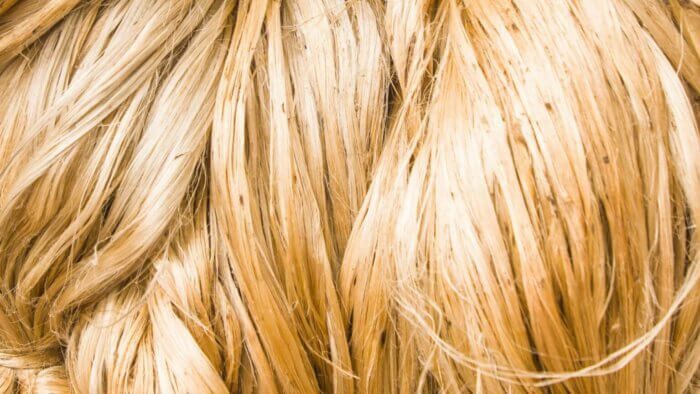
Versatile and durable, jute yarn is common in household items like carpets, sacks, rugs, and rope, but Fibre2Fashion describes jute’s glow-up on catwalks as a “fashion renaissance”.
Brunello Cucinelli’s cable-knit sweater is made from a jute-cotton blend, Coach’s Brooklyn shoulder bag was heralded as the summer accessory, and the timeless look of jute soles on espadrilles epitomises European summer fashion.
Embracing jute plant wool is better for the animals and the planet than sheep’s wool. Plus, as a potential boom export for Bangladesh, it has the opportunity to transform the nation’s polluting fashion economy, which is currently built on the toxic animal-skin industry.
Read more: Discover Emerging Plant Wools