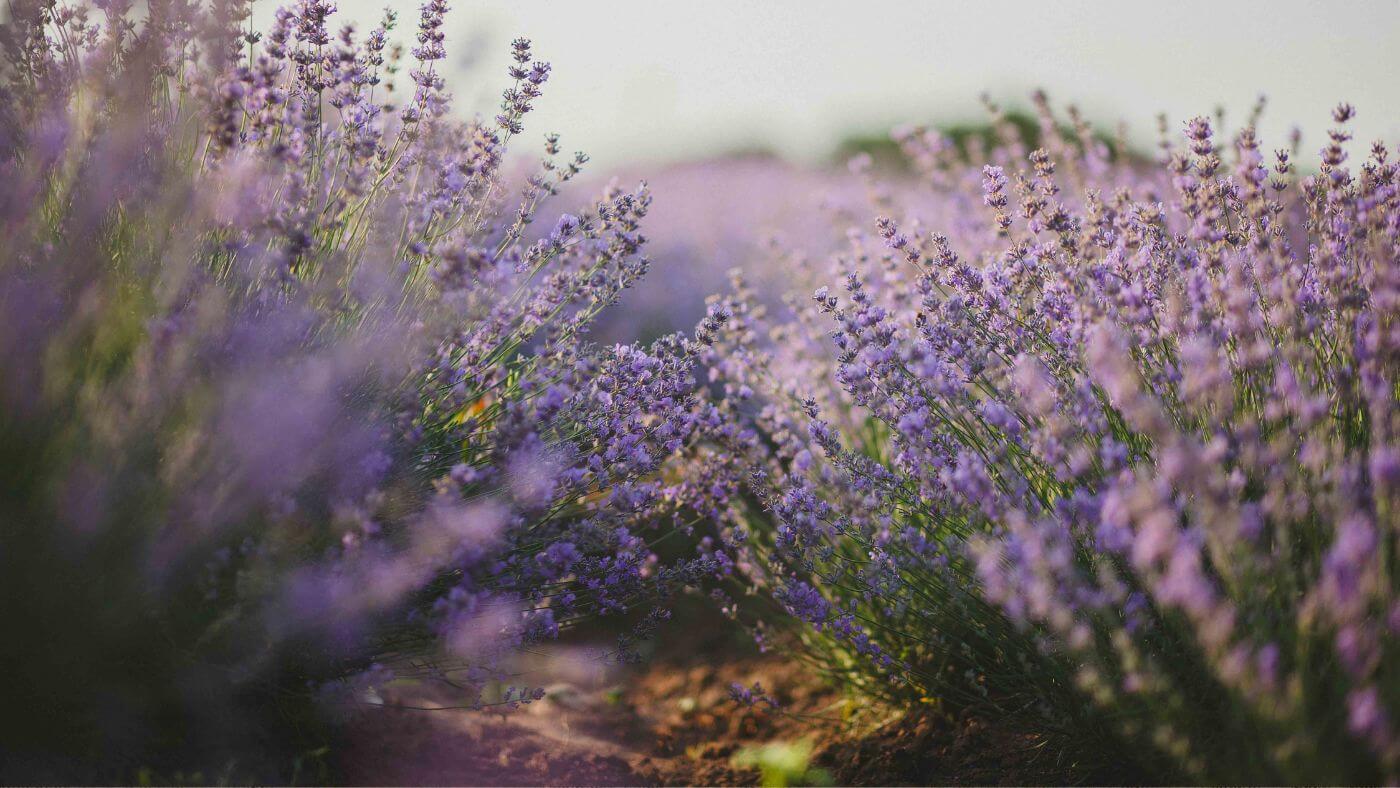
More than just a beautiful medicinal herb that smells heavenly, lavender is now budding as a new and sustainable plant wool. This is good news for the planet due to the considerable waste plants like lavender generate.
Lavender is grown and used as dried bouquets, in food, and for essential oil extraction. However, given that the average plant only contains about 1% to 2% essential oil, that amounts to a lot of organic matter relegated to agricultural waste. Some 20,000 tons of dry matter lavender waste are generated in France annually.
Lavender is natural, moisture-wicking, antimicrobial, and incredibly gentle on the skin. It’s also strong, with impressive mechanical performance and a tensile strength comparable to – if not better than – cotton and jute. Lavender fibre is also highly stable, even in temperatures exceeding 350° Celsius, making it a viable replacement for the sheep’s fleece traditionally used in heat-resistant applications like insulation.
Lavender fibre, a plant wool, has potential applications in apparel, upholstery, and home textiles, especially for materials used or worn close to the skin, such as infant wear and bedding, intimate apparel, and activewear.
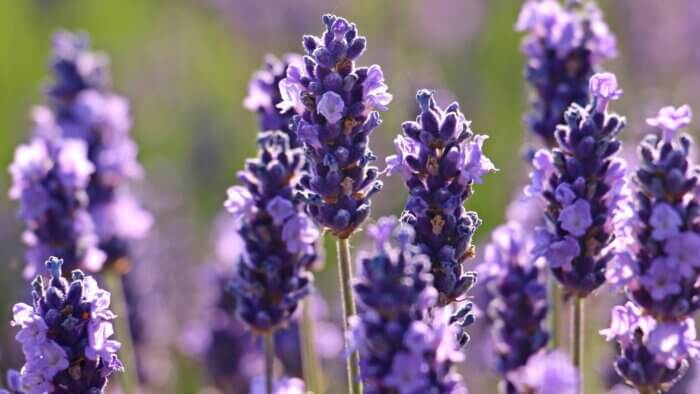
As if all this wasn’t impressive enough, incorporating lavender fibre into composite materials also holds promise for lightweight and durable components in automotive, aerospace, and construction applications.
Read more: Discover Floral Plant Wools