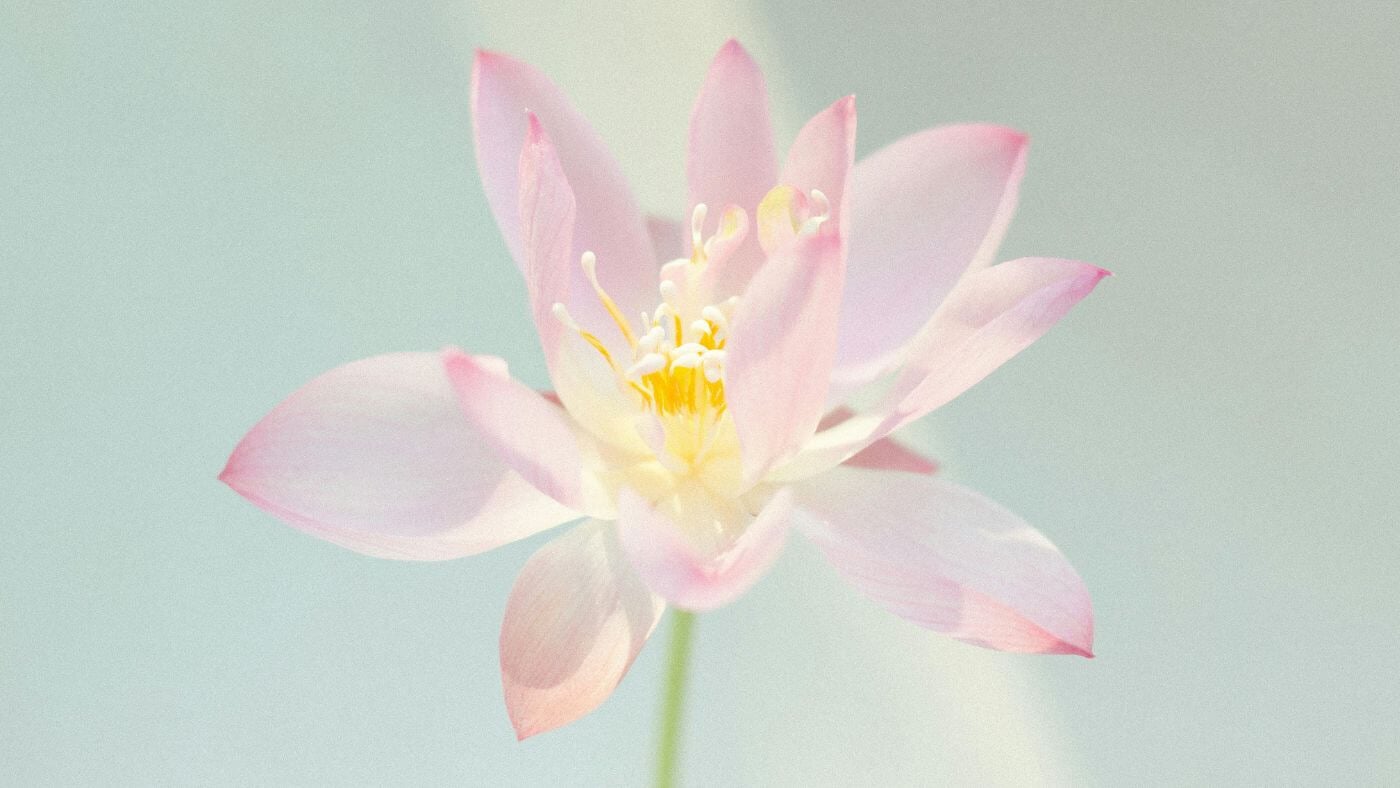
A symbol of purity for centuries, the humble lotus flower was discovered 100 years ago by Daw Sa U, a master weaver living in Shan State in Myanmar, as a source of soft, delicate yarn.
Soft yet resilient, lotus plant wool yarn must be woven from the stems of the delicate flowers soon after harvest, creating a unique fibre.
Lotus flowers are incredibly adaptable to different levels of water and different types of soil, and the resulting yarn is considered highly sustainable. The Lotus plant requires no pesticides, and as all parts of the plant are used, the yarn is also a zero-waste product.
An aquatic plant species, lotus flowers grow spontaneously and are gathered from the padonma lotus (Nelumbo nucifera) between May and December in Myanmar. There, artisans produce just 50 meters of fabric a month. The unique and rare nature of the yarn, coupled with its sustainability credentials and buttery softness, has piqued the interest of designers.
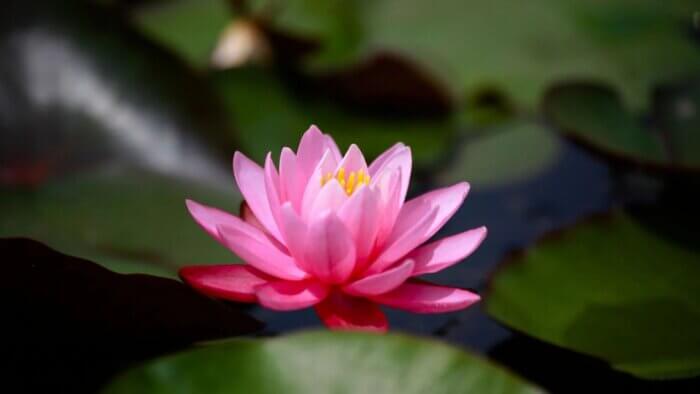
When woven like animal wool, lotus fabric is linen-like – soft yet resilient, elastic, and wrinkle-free. It’s also remarkably temperature-regulating, making it superior to wool taken from animals. Unlike animal wool, lotus fabric is sweat-proof and hypoallergenic.
The fashion industry is already embracing lotus fibres. Luxury brand Sofia Vera uses the yarn, colouring the fabric with non-toxic plant dyes to create truly sustainable designer pieces.
Read more: Discover Floral Plant Wools