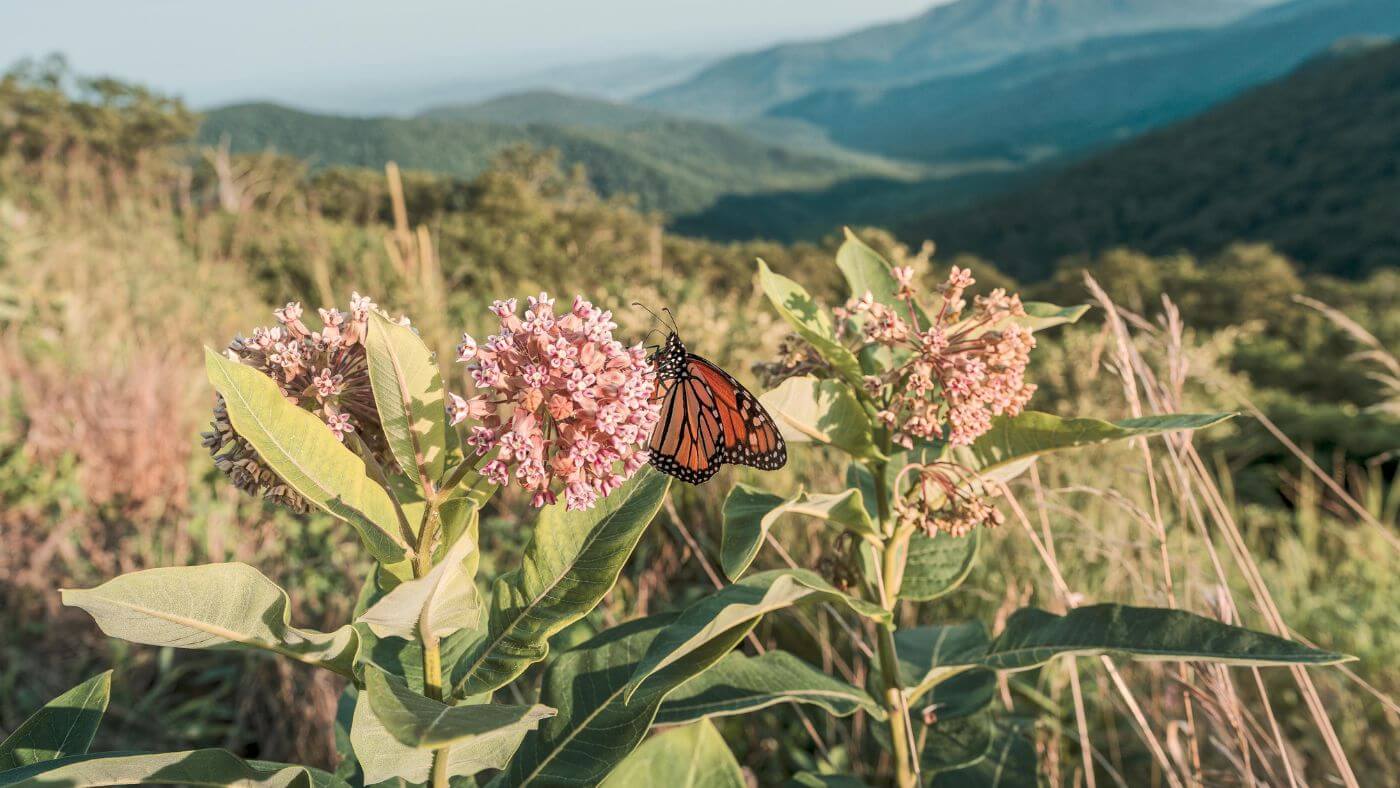
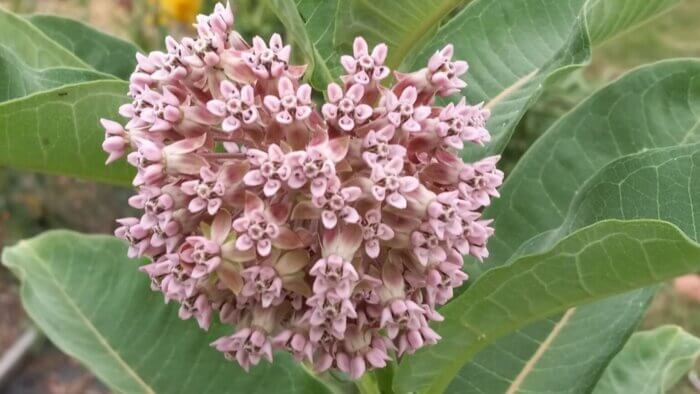
Milkweed (Calotropis) is a plant native to North America and India. It’s best known as the sole nutrient source for the endangered Monarch butterfly. Recently, innovative yarn makers have found ways to cultivate more of these plants and use their fluffy seed fibres to create sustainable plant wool.
Whereas sheep need to be given copious amounts of water, especially in dry climates like Australia, where much of the world’s merino wool is produced, several species of milkweed plants thrive in arid regions and require no irrigation.
To spin a yarn from this versatile plant, the seed fibres, which resemble soft, buoyant strands similar to cotton or dandelion and known as floss, are harvested. While floss fibres alone are too short and woody to be spun, they’re ideal for combining with other fibres, such as cotton, to produce a sustainable yarn for various applications.
One notable innovator is Faborg, the company behind Weganool™ – winner of a PETA Fashion Award. This versatile yarn is made by spinning together 30% milkweed fibre and 70% rain-fed cotton to produce an incredibly soft, but remarkably strong, yarn.
Producing one kilogram of Weganool™ saves 27,000 litres of clean drinking water compared to 100% conventional cotton yarn and uses far less water than a standard sheep’s wool operation. Milkweed is also naturally resistant to insects, meaning pesticides are unnecessary, making the end product less toxic than wool, where chemical sheep dip is part of the process.
It’s also antimicrobial and thermally regulating, making it ideal for everything from fashionable knits to technical clothing designed for harsh climates. Furthermore, this fabric is waste-free, empowers female workers, boosts rural economies, and creates job opportunities.
Read more: Discover Floral Plant Wools