As consumers become concerned about the abuse of animals reared for their hair to make animal-derived cashmere, and the dust bowls created by farming them, plants that can be transformed into a luxury material that’s just as soft become a much sought-after commodity.
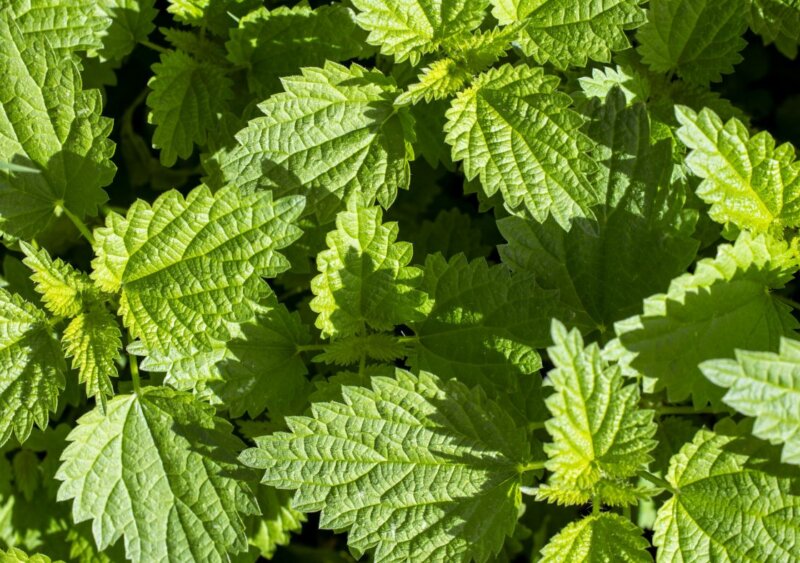
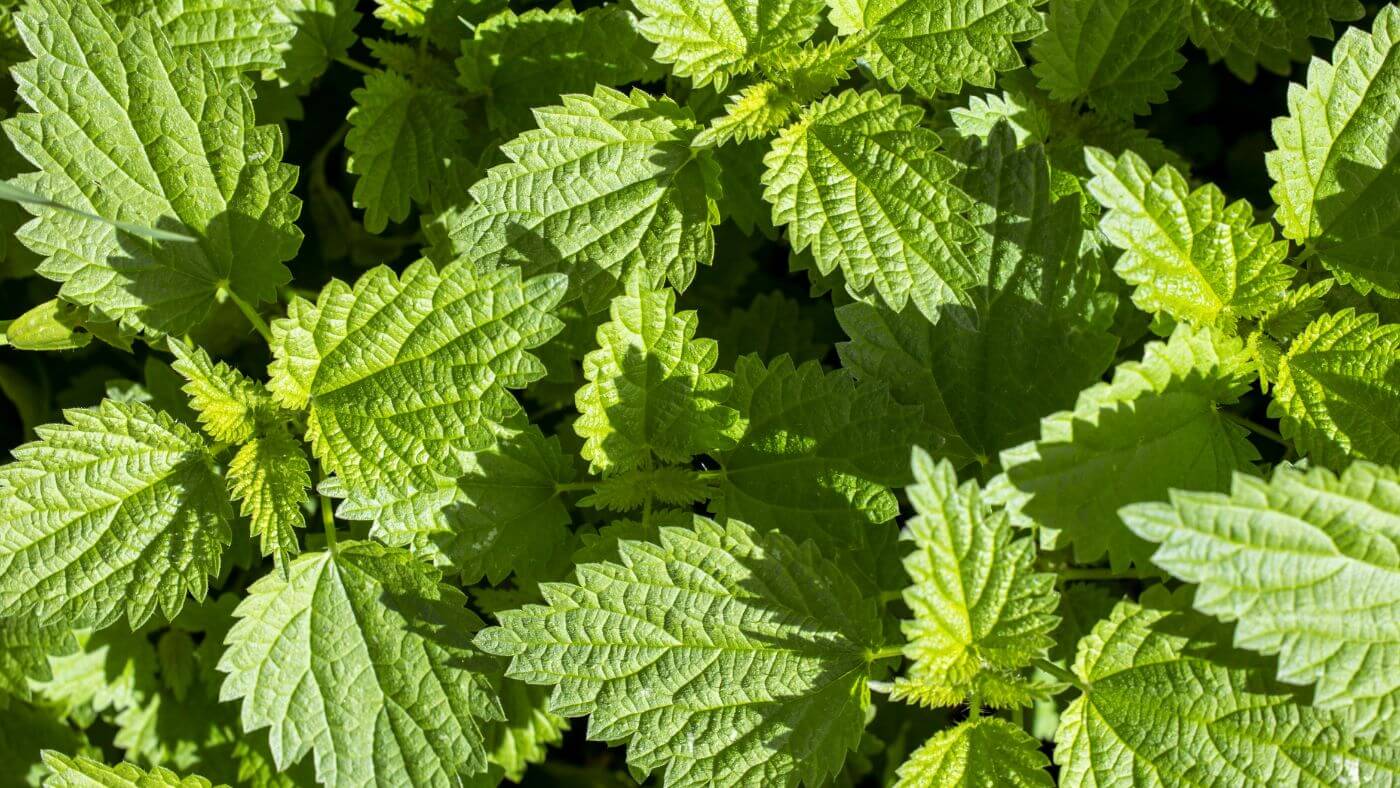
Smooth and glossy, multiple varieties of nettle are stepping up as an alternative to sheep and goats (and even silkworms!). Hailed by some as the “material of the future,” nettle uses less water than other fabrics and requires no pesticides. Thanks to its fast growth rate, harvest can occur annually, making it a renewable resource.
Read more: Discover Emerging Plant Wools
Nettle was a common resource until after World War II, when it was overtaken by cotton. However, a trend toward plant wools is driving its resurgence. British fashion label Pangaia created a stunning eco-friendly denim collection that combines cotton and Himalayan nettle.
Certain varieties are coveted by high fashion because they offer silk-like luxury and cashmere softness without carrying the huge environmental burden of the silk or cashmere industries.
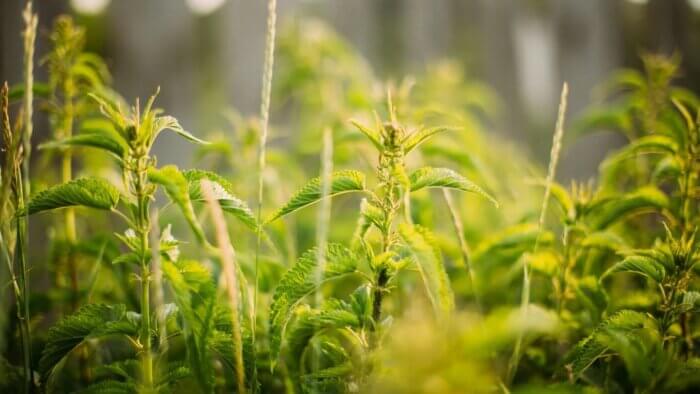
One of the two species of nettle now used in textiles, ramie, is quickly causing the fashion industry to sit up and take notice of this humble plant.
A delicate plant wool yarn, ramie is a cellulosic fibre similar to linen, but twice as strong, even when wet, giving it huge potential as a technical fabric. It’s biodegradable, making it more sustainable than synthetic, oil-based fabrics from cradle to grave. Ramie produces an exceptionally long thread that is shiny and finer yet more robust and elastic than other fabrics, making it as aesthetic as practical.
Ramie is also naturally stain- and shrink-resistant, incredibly breathable, and comfortable, especially when the weather is warm. With properties that rival merino wool but avoid animal agriculture’s legacy of welfare concerns and pollution, it’s unsurprising that it’s becoming the go-to choice for brands looking to blend sustainability with style.
Read more: Discover Emerging Plant Wools