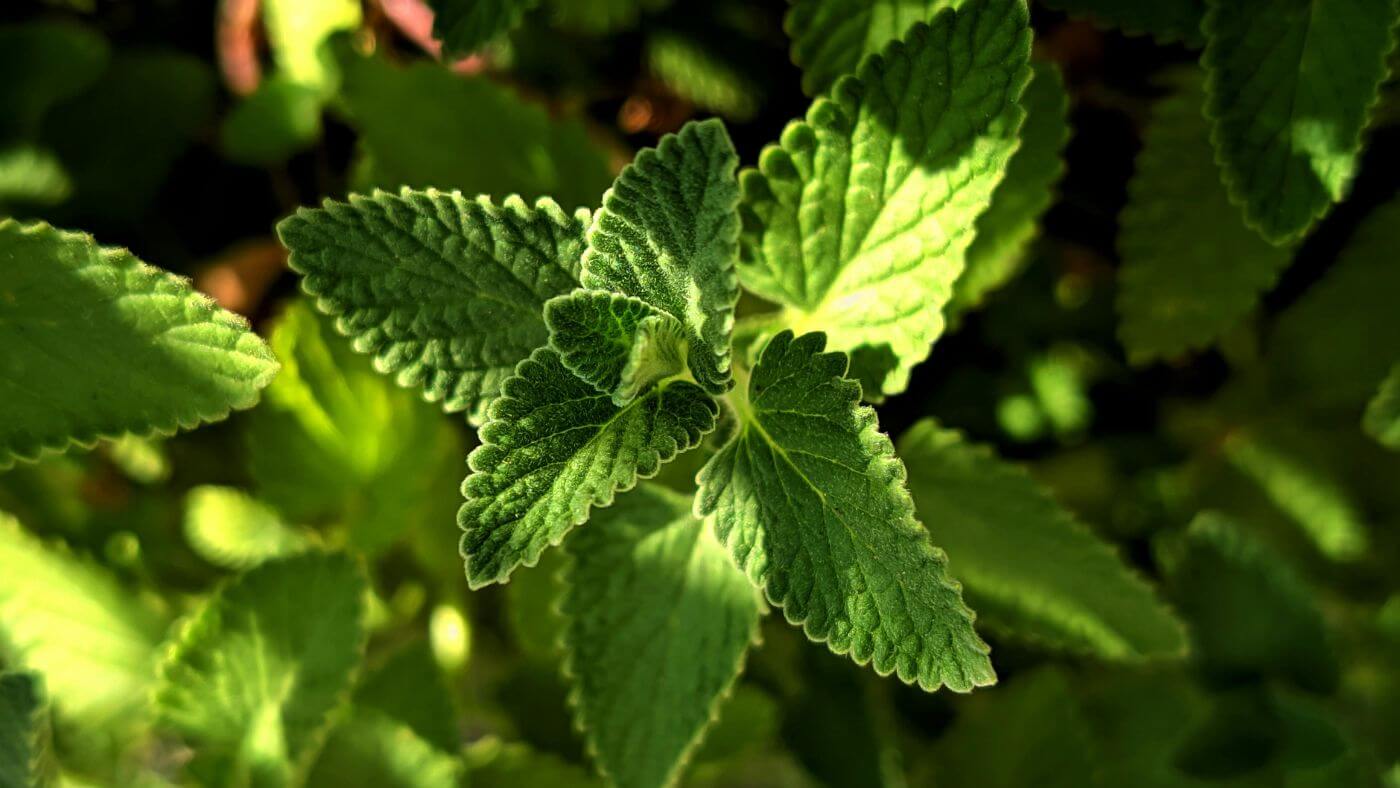
A refreshing tea, a staple in toothpaste, the basis of popular desserts and sweets, peppermint has given us a lot – but it’s not done yet. It’s also emerging as a silky plant wool with a lower environmental impact than conventional fibre crops, and a much lower footprint than sheep’s fleece.
Peppermint plants are renewable, biodegradable, and fast-growing, requiring minimal water and pesticides. Peppermint yarn is similar to silk, and its production is sustainable, achieved via turning harvested leaves into cellulose (pulp).
Peppermint yarn’s production process generally requires fewer chemicals than other types of synthetic fibres, reducing the release of harmful pollutants into the environment. Peppermint yarn is also biodegradable, meaning that at the end of its lifecycle, it can naturally decompose without contributing to the accumulation of synthetic waste in landfills.
The extraction and processing of peppermint cellulose involves less energy consumption than certain conventional fibre production methods.
Read more: Discover Emerging Plant Wools