If you’ve ever trodden a sisal-carpeted walkway, you’ll know how robust this fibre is. Coarser than most materials and incredibly long-wearing, sisal is an ideal eco-friendly replacement for sheep’s wool that is sometimes used in carpets and rugs. But, unlike synthetics and chemically treated animal wool, sisal is 100% biodegradable.
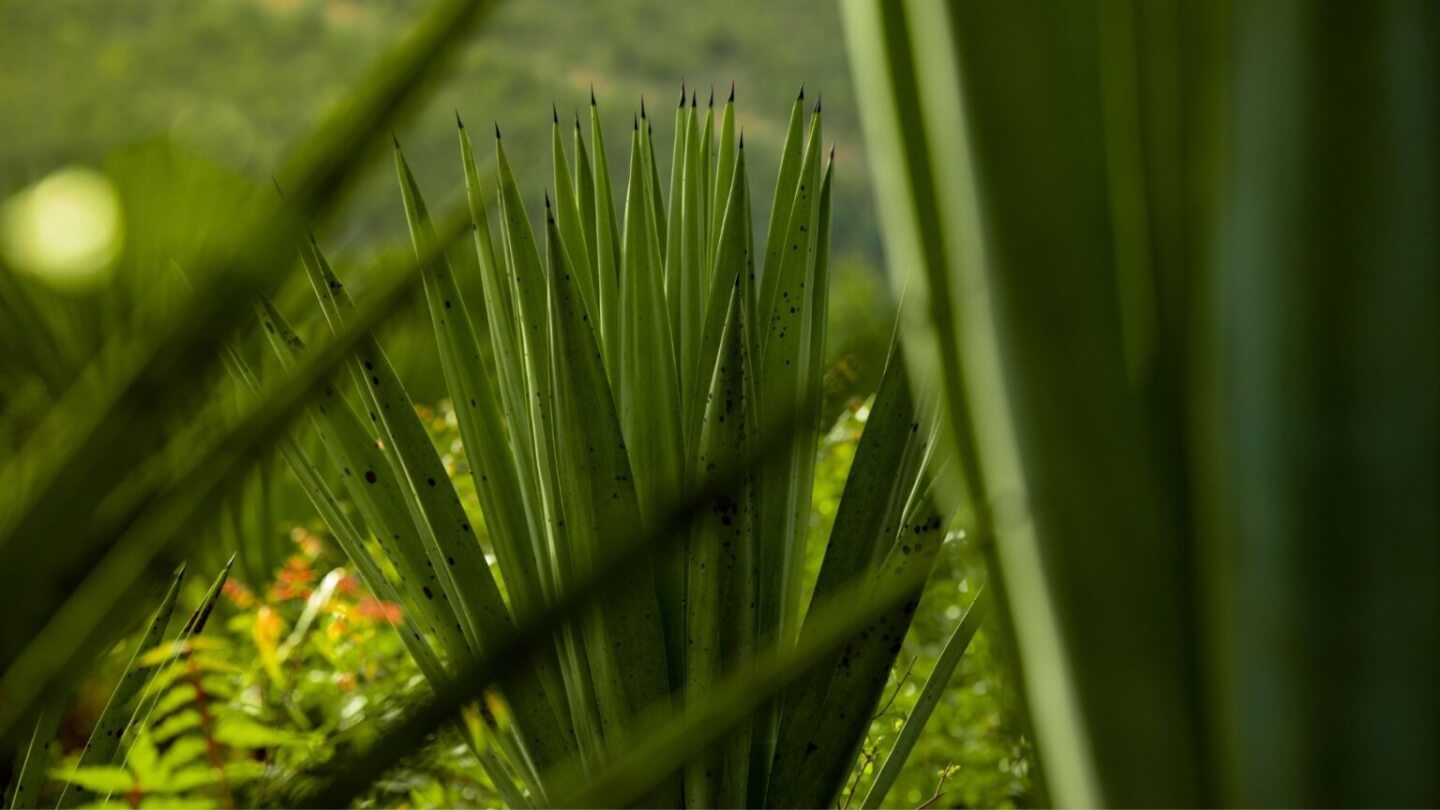
Adding to its eco-credentials, agave sisalana, the plant from which sisal is derived, absorbs more carbon dioxide than it emits, is highly regenerative, and productive for up to 12 years.
Sisal processing primarily generates organic waste and leaf residues, which can be repurposed for bioenergy, animal feed, fertilisers, and even eco-friendly construction materials.
While rougher than other plant wools in its rawest form, sisal fibre can be refined to be as soft and delicate as silk. It can even be woven into a nearly invisible sheer texture to create an expensive, luxe and high-end material.
Producing one kilogram of sisal generates 0.72 kilograms of CO2 equivalent, compared to 89.1 kilograms of CO2 equivalent per one kilogram of sheep’s wool.
Read more: Discover Emerging Plant Wools